Chiropractic News and Research

The latest studies and science on the benefits of chiropractic

Lumbar Support Pillow for Back Pain Relief?

Sitting at a desk all day, like the majority of working adults do in industrialized nations, has been shown to be a risk factor for low-back pain, among other work injuries and pain. If you spend most of your work-day sitting, you may be among the 89% of workers who claim musculoskeletal pain, as we reported in a recent article.

Read More

Chiropractic vs. Injections for Disc Herniation (Video)

A new study shows chiropractic is as effective as epidural steroid injections for lumbar disc herniation, but with fewer side effects and cost. Epidural steroid injections are frequently used to treat disc herniations and other conditions causing low-back pain. Unfortunately, the injections only provide temporary relief and come with the potential for adverse effects like dizziness, headache, and weakening of the spinal bones and muscles. To see whether patients could avoid these risks, a new study compared the efficacy of epidural injections to chiropractic adjustments in 102 patients with lumbar disc herniation.

Read More

Spinal Adjustments Relieve Muscle Pain Instantly

Your myofascial tissues are what enclose and separate the layers of muscle in your body. Chronic myofascial pain is a common pain condition, and its prevalence is growing.

Read More
Drinking Water = More Weight Loss?

Drinking Water = More Weight Loss?

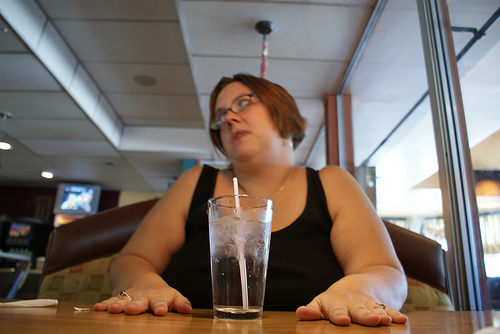
[caption id="attachment_3582" align="alignleft" width="300"] Photo by Bradley Gee[/caption] Dieters are often told to drink more water, but does it actually help you lose more weight? Perhaps, according to a new literature review that analyzed the results of several studies. Researchers in one study found that "water enhanced weight loss" for dieters who drank water prior to eating. Earlier research on the effects of water for weight loss has been inconsistent, and researchers from Germany sought to clarify the issue with a meta-analyses of 13 different studies. In one study, women who increased their intake of water experienced greater weight loss than those who consumed less than a liter a day. In another study, older and middle-aged people who drank two cups of water before meals lost four more pounds on average compared to people who hadn't drank the additional water. Researchers still don't know why water may affect weight loss.

Read More

Discovery of Migraine Genes Could Pave the Way for a Cure

It is estimated that approximately 14% of adults are affected by migraine headaches, characterized by intense pain either at the front or at one side of the head. Migraines can be very debilitating and often cause an oversensitivity to light and noise.

Read More
Risk Factors for Leg Pain in Runners

Risk Factors for Leg Pain in Runners

With the growing popularity of community-based races, more people are running for fun than ever before. While running is associated with a wealth of health and wellness benefits, some athletes experience overuse injuries while running and training for races.

Read More

Are Stronger Teens At Risk of Back Pain?

Does your performance in high-school gym class predict your likelihood of having pain as an adult? Perhaps not, according to a new study that examined how muscle strength in adolescence affected future musculoskeletal pain. With one in two adults suffering from musculoskeletal disorders (MSD) like back pain and osteoarthritis in the US, identifying risk factors of MSDs could help to decrease the prevalence of pain. Earlier research has shown that strength training exercise can prevent pain, so Swedish researchers guessed that muscles strength in adolescence would have a protective effect on musculoskeletal pain. They were surprised to discover that teens with low muscle strength did not have an increased risk of musculoskeletal pain later in life, even after adjusting for smoking status and physical activity. In fact, stronger teens were slightly more likely to have severe pain than their average strength peers. The findings were based on data collected from a cohort of men aged 17-19 years who completed Sweden's mandatory conscription between 1979-2005.

Read More
PTSD Tied to Chronic Whiplash Symptoms

PTSD Tied to Chronic Whiplash Symptoms

About half of patients who have a whiplash injury end up with persistent long-lasting pain, which often can't be explained by medical reasoning. Ongoing research has focused on why some people develop chronic symptoms while others do not.

Read More
Avatars Help Women Lose Weight

Avatars Help Women Lose Weight

Can virtual "alter egos" help you shed some pounds? Perhaps, according to a new study that found that digital avatars can help women develop positive weight-loss behaviors. In the study, women watched videos of avatars resembling themselves making healthy eating and exercise decisions, which influenced their behavior in real-world settings. "This pilot study showed that you don't have to be a gamer to use virtual reality to learn some important skills for weight loss," said Melissa Napolitano, PhD, lead author of the study and a professor at George Washington University School of Public Health and Health Services.

Read More
Chiropractic Adjustments Produce Immediate Results Visible on MRI (Video)

Chiropractic Adjustments Produce Immediate Results Visible on MRI (Video)

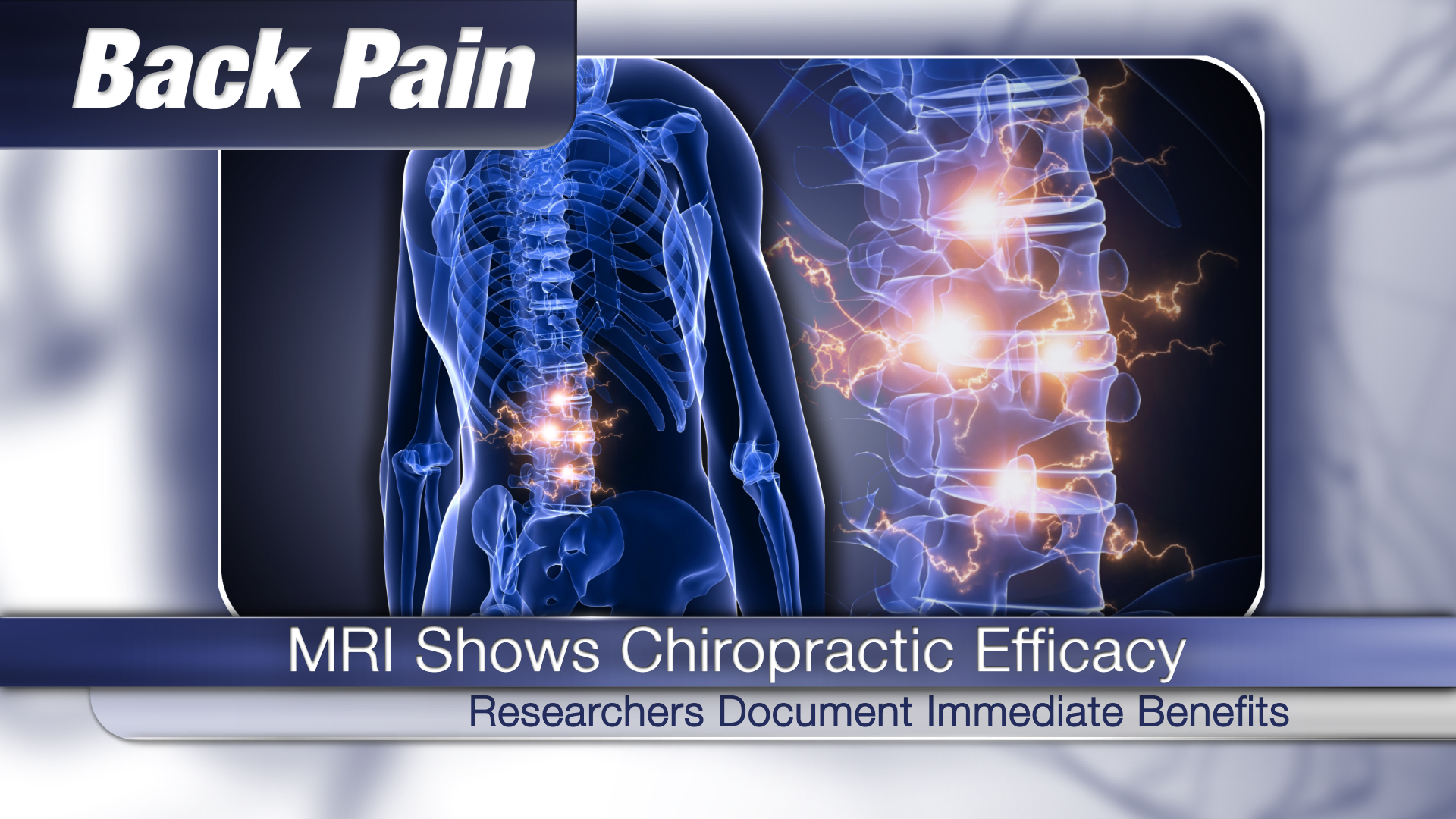
New research helps to explain why chiropractic is so effective for low-back pain. Using MRI scans, researchers were able to document the immediate benefits of chiropractic adjustments. Patients with low-back pain have restricted mobility in the lumbar spine that results in degenerative changes and fibrous adhesions within the joints of the vertebrae. Researchers hypothesized that chiropractic adjustments increase gapping between the joints of the vertebrae, which breaks up adhesions and allows the joints to move freely. In a new study, 112 patients with low-back pain were randomly assigned to receive either chiropractic adjustments, side-posture positioning, or two control treatments. Immediately after the treatment, they received an MRI scan that allowed researchers to analyze spinal gapping. The chiropractic patients had the most substantial spinal gapping, and patients treated with a combination of chiropractic adjustments and side-posture positioning had the greatest reduction in pain. This study shows how chiropractic can restore spinal health to decrease disability and pain. Reference Cramer GD, et al.

Read More